
How to Choose a Pre-Workout: What Ingredients Actually Matter
The pre-workout category is one of the most overhyped and under-delivered segments in sports nutrition. Bright labels, extreme names, proprietary blends that tell you nothing — it can feel impossible to know what you're actually buying.
Here's how to cut through it. This is what the research supports, what you should be looking for, and what's mostly marketing.
Start With Your Goal for Pre-Workout
Before evaluating any product, be clear on what you need. Pre-workouts serve different purposes depending on the athlete:
- Energy and focus — you need a mental lift to get through a demanding session, especially after a long day or early morning
- Power and performance — you want a performance edge on heavy lifting days, sprint work, or competition
- Endurance and pump — you're after the vascular, sustained-output feel more than the stimulant rush
- All of the above — which is what most people want, though few products deliver equally on every axis
Knowing your primary need helps you evaluate what should lead the formula.
The Ingredients That Actually Work
Caffeine
This is the most evidence-backed performance ingredient in existence. Caffeine increases alertness, reduces perceived exertion, improves power output, and enhances endurance. The effective dose for performance is 3–6 mg per kilogram of body weight — for a 180-pound person, that's roughly 245–490 mg.
Most pre-workouts contain between 150–350 mg. That range is where most people see real results without excessive jitteriness or crash. Products below 100 mg are essentially caffeinated water. Products above 400 mg per serving are unnecessary for most people and carry more side effect risk than benefit.
One important note: caffeine tolerance builds quickly. If you're using pre-workout daily, expect diminishing returns over time. Strategic breaks (cycling off for 1–2 weeks) can restore sensitivity.
Beta-Alanine
Beta-alanine is a precursor to carnosine, a compound that buffers acid buildup in muscle tissue during high-intensity exercise. In practice, it delays the "burn" sensation that makes you stop mid-set or mid-sprint, allowing you to squeeze out more work before fatigue.
The effective dose is 3.2–6.4 grams per day. Most pre-workouts underdose it. The tingling or flushing sensation (paresthesia) you may feel 10–20 minutes after taking it is benign and harmless — it's just beta-alanine doing its thing in your nerve endings.
Beta-alanine works best for sustained high-intensity efforts lasting 1–4 minutes, making it especially valuable for sprints, HIIT, and long training sets. Its benefit for pure 1-rep-max strength is modest.
Citrulline (or Citrulline Malate)
Citrulline is an amino acid that increases nitric oxide production, which dilates blood vessels and drives more blood — and therefore more oxygen and nutrients — into working muscle. This is what creates the "pump" during training, but beyond aesthetics, improved blood flow genuinely supports endurance and recovery within sessions.
L-citrulline at 6–8 grams or citrulline malate at 6–8 grams (roughly equivalent) is the research-backed dose. This is one of the most commonly underdosed ingredients in pre-workouts — many products use 1–2 grams and call it "citrulline." Check your label.
Creatine
Some pre-workouts include creatine, which is useful if you're not already taking it separately. The caveat: you need 3–5 grams of creatine per day, consistently, to saturate your muscles. Pre-workouts typically include 1–2 grams and don't account for creatine on rest days. If your pre-workout includes creatine, top it up separately on rest days and don't assume the pre-workout dose alone is sufficient.
Betaine (Trimethylglycine)
Betaine is a compound found naturally in beets and spinach that has demonstrated benefits for strength and power in several studies. The effective dose is around 2.5 grams. It's not as consistently studied as caffeine or beta-alanine, but it's one of the better-supported secondary performance ingredients.
Ingredients That Are Mostly Hype
Proprietary blends — if a label lists "Pump Matrix 3,500 mg" with 6 ingredients inside, you have no idea what each ingredient's dose is. The blend weight could be 80% maltodextrin filler. Avoid undisclosed blends.
Exotic herb extracts — ashwagandha, rhodiola, schisandra, maca, and dozens of others appear in pre-workouts with vague "adaptogen" or "energy" claims. Some have real standalone research, but at the micro-doses used in pre-workout blends, they're largely decorative.
Excessive stimulant cocktails — some products stack caffeine with multiple stimulants (yohimbine, synephrine, DMHA) chasing extreme energy. This can work, but at significant cardiovascular cost. If your pre-workout makes your heart race at rest or gives you anxiety, the formula is working against you.
High sugar content — some pre-workouts are essentially candy with caffeine. Unnecessary unless you need intra-workout carbohydrates for endurance events.
How to Read a Pre-Workout Label
- Check for full ingredient disclosure — individual ingredient amounts, not hidden blends
- Verify caffeine content — appropriate for your tolerance and time of day
- Look for clinical doses — beta-alanine 3.2g+, citrulline 6g+, betaine 2.5g if included
- Count the calories — most pre-workouts should be under 20 calories unless they contain carbohydrates intentionally
- Note what you're paying per serving — not per container
Timing and Use
Take pre-workout 20–30 minutes before training. This gives caffeine time to reach peak plasma concentration (which happens around 45–60 minutes post-ingestion) so you're at your best for the meat of your session.
Avoid pre-workout within 4–6 hours of sleep — caffeine's half-life is 5–6 hours, meaning half of what you took is still in your system six hours later. Late-night training with high-stim pre-workout will compromise your sleep quality even if you feel like you fall asleep fine.
The BPI Sports Pre-Workout
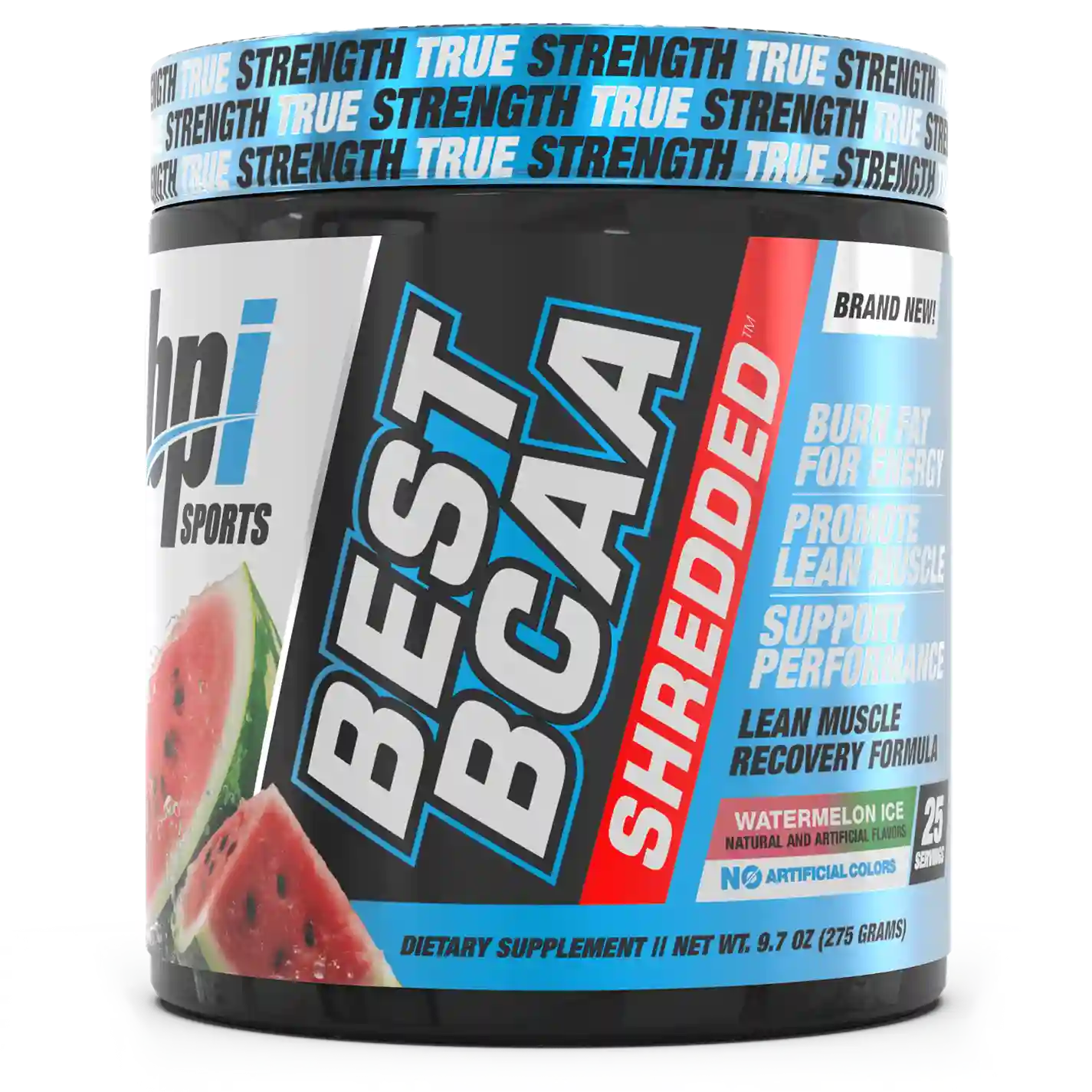
1.M.R™ by BPI Sports is a high-performance pre-workout built for people who want real, concentrated energy and focus without the junk. The formula is disclosed — no proprietary blend hiding, no underdosed filler ingredients. It's built for the athlete who wants to show up ready, train hard, and actually feel the difference.
Pre-workout isn't magic, but a well-formulated one removes the friction between walking into the gym tired and walking out having done real work. That's what it's for.